The latest news from Latin America

Provided by AGP

Got News to Share?

AGP Executive Report

Your go-to archive of top headlines, summarized for quick and easy reading.

Note: These AI-generated summaries are based on news headlines, with neutral sources weighted more heavily to reduce bias.

Middle East Energy Shockwave: Oil prices plunged and markets surged after U.S.-Iran talks signaled a possible reopening of the Strait of Hormuz, with Trump pausing a maritime operation and Iran’s navy saying threats could end. Food Security Watch: UN agencies warn El Niño could worsen hunger and food insecurity across Latin America and the Caribbean, with millions still at risk. Digital Protection: Colombia reports 1 in 5 minors (12–17) suffered online sexual abuse in the past year, as UNICEF, ECPAT and INTERPOL push for stronger safeguards. Tech & Identity: Brazil’s Unico launches a new age-verification tool, aiming to meet tighter child online safety rules. Health Alert Beyond the Region: Hantavirus cases are confirmed in Africa after a cruise-linked outbreak, keeping surveillance on high alert. World Cup Momentum: FIFA confirms a Super Bowl-style halftime show for the 2026 final, with Madonna, Shakira and BTS headlining. Caribbean Reality Check: Cuba’s power grid collapses, plunging eastern provinces into a major blackout.

Middle East Energy Shock: Oil and markets surged after U.S.-Iran talks signaled a possible reopening of the Strait of Hormuz, with Trump pausing a vessel-guidance operation and Iran’s navy saying the strait could restart once threats end. World Cup Spotlight: FIFA confirmed the first final halftime show will feature Shakira, Madonna and BTS at MetLife Stadium on July 19, with Chris Martin and Global Citizen behind the production. Caribbean Football: Dick Advocaat, 79, is back as Curaçao coach for the 2026 World Cup, setting up a potential record as the tournament’s oldest head coach. Health Alert in the Region: WHO says the hantavirus on the MV Hondius is the Andes variant with person-to-person capability, while case totals rise to 11 and risk is still judged low globally. Cuba Crisis: Cuba’s energy minister says the island has run out of fuel oil and diesel, pushing the country closer to system collapse. LATAM Culture & Streaming: BTS’ new album is smashing records, with Brazil and Mexico driving huge first-week streams and concert demand.

Hormuz Diplomacy Shock: Oil prices and global stocks surged after reports the U.S. and Iran are nearing a deal to reopen the Strait of Hormuz, with Trump pausing a vessel-guidance operation and Iran’s navy signaling threats could end. MLB Labor Talks: MLB and the players’ union kicked off negotiations with opening presentations—no proposals yet—but the 2027 season is already hanging in the balance. Venezuela “51st State” Row: Trump posted a map labeling Venezuela as the “51st state,” prompting a fast rejection from acting President Delcy Rodriguez as Caracas vows to defend sovereignty. Tourism Push in Paraguay: Paraguay says it hit 3.6M visitors in 2025 and wants 10M a year by 2037, betting on theme parks and foreign investment. Hospitality Upgrade in Lima: Marriott will convert two Lima hotels into JW Marriott and The Ritz-Carlton, both reopening in 2028. Public Health Watch: WHO says hantavirus risk beyond a cruise-linked cluster appears low, but more cases could emerge.

Hantavirus on the move: A French passenger from the MV Hondius outbreak is now critically ill in Paris and on an artificial lung as total reported cases rise to 11 (9 confirmed), while the ship heads back to the Netherlands for cleaning and disinfection. Health response: WHO says more cases are likely but there’s no sign of a wider global wave, and authorities are still tracking people who disembarked without formal tracing. US–China diplomacy: Trump is set to press Xi to “open up” China after preparatory trade talks between US Treasury chief Scott Bessent and China’s Vice Premier He Lifeng. Venezuela flashpoint: Trump again stoked controversy by posting a map graphic labeling Venezuela as the “51st state,” as Caracas rejects the idea. Caribbean business: Puerto Rico’s Humacao opened Onovexa with a $36.2m investment and 203 jobs. Energy markets: Oil rallied on hopes of Strait of Hormuz reopening as US-Iran talks progress.

Hantavirus Panic, Then Pushback: The WHO says there’s no sign of a wider hantavirus outbreak after the MV Hondius cluster, but the case count keeps climbing—Spain reports a new positive passenger, bringing totals to 11 cases (9 confirmed) and three deaths—as repatriations continue and officials stress the public risk is very low. Argentina Under Scrutiny: Ushuaia, the “city at the end of the world,” is still being eyed as a possible source, even as local authorities insist infection before the cruise is “almost zero.” Caribbean Health Noise: Trinidad and Tobago’s health ministry calls hantavirus claims “fake news,” while CARPHA urges vigilance without alarm. World Cup Pressure in Mexico: Mexico has rejected shortening the school year, but the backlash exposed lingering learning gaps and parent fears. Trade Watch: U.S. dairy exports rose in March—cheese up 29% and butterfat up 110%—with Hormuz uncertainty flagged as a future headwind.

Hantavirus Panic, Then Pushback: After the Hondius outbreak, Germany began receiving quarantined passengers, with health officials stressing the risk to the general public is “very low” and that the Andes strain is not spreading like COVID—while Trinidad and Tobago’s health ministry and CARPHA both denied local case claims and warned against fake school-closure memos. Venezuela-US Tension: Donald Trump told Fox he’s “seriously considering” making Venezuela the 51st state, citing oil value; Venezuela’s acting president Delcy Rodriguez rejected the idea as sovereignty-violating. World Cup Countdown: South Korea confirmed warmups vs Trinidad and Tobago (May 31) and El Salvador (June 4), and the tournament is now about a month away with bookmakers pointing to France/Spain as early favorites. Trade & Tech: teleSUR and Vietnam’s VTV International signed a Global South content-sharing deal; Atos and Backbase announced AI-native banking collaboration. Business Watch: New market reports tout growth in clear brine fluids, ID verification, invisible orthodontics, and industrial mixers.

Strait of Hormuz Watch: Oil prices swung hard as U.S.-Iran peace talks raised hopes of reopening the Strait—Brent plunged below $98 before markets rallied on diplomacy. Public Health Alert: The MV Hondius hantavirus case cluster is still driving global monitoring as passengers are repatriated and health agencies explain why a pandemic is unlikely. Cruise Health Shock: A separate norovirus outbreak on Princess Cruises’ Caribbean Princess has ended with the ship docking at Port Canaveral after 100+ sickened. Caribbean Tourism Push: The Caribbean Hotel & Tourism Association’s Caribbean Travel Marketplace opens in Antigua, aiming to turn regional buyer-supplier meetings into contracts. LATAM Politics & Diplomacy: Costa Rica swore in Laura Fernández, while Paraguay’s Peña courted Taiwan—prompting fresh Beijing pressure. Markets & Money: Fitch’s Argentina upgrade to B- boosts hopes of a narrow funding window before the next political calendar tightens.

Over the last 12 hours, the dominant thread in the coverage is the hantavirus outbreak linked to the MV Hondius cruise ship in the Atlantic. Multiple reports emphasize that WHO does not expect the event to become a COVID-like pandemic, stressing that hantavirus spreads differently and that the current risk is low; WHO officials also said the first fatal case likely occurred before boarding, based on incubation timing. At the same time, the response is expanding beyond the ship: health authorities are monitoring travelers in the U.S. (including Texans and an Arizona resident) and tracing contacts after additional testing, while other countries (e.g., Singapore and the Netherlands) are isolating and testing suspected cases. Chile’s situation is also used as context, with reporting that the country’s fatality rate has risen this year, turning an endemic disease into a more urgent regional concern.

Alongside the outbreak, there is notable attention to travel and aviation disruption signals. Coverage points to a jet fuel shortage in “crisis mode,” with expectations of worsening impacts on airlines and inventories in Europe, and mentions potential flight cuts and higher fares. In parallel, cruise industry updates continue—Oceania Cruises unveiled inaugural sailings for the Oceania Aurelia—but the hantavirus coverage clearly adds a new layer of travel-safety scrutiny to cruise itineraries and passenger monitoring.

Outside health and travel, the last 12 hours include a mix of institutional and business developments. Pope Leo XIV’s first-year themes are revisited in a Vatican-focused piece, highlighting “peace” as a central message and noting his engagement on major conflicts; another report says U.S. Secretary of State Marco Rubio met Pope Leo XIV at the Vatican to discuss the war in Iran and humanitarian issues. In the private-sector sphere, there are announcements spanning stablecoin payments settlement (Mesh integrating with Stellar), medical procurement market outlooks (Kinmed’s hospital equipment procurement guide), and market-research-style coverage across healthcare and pharmaceuticals.

Older material from the 12 to 72 hours and 3 to 7 days window mainly reinforces continuity rather than introducing new major pivots. For example, additional reporting continues to frame the outbreak as a rodent-borne disease with uncommon human-to-human transmission, while regional public health agencies (including CARPHA) urge vigilance but characterize Caribbean risk as minimal. The broader news mix also shows ongoing parallel coverage—competition and regulation (e.g., Chilean TV networks suing Google), energy and geopolitics, and Latin American business and cultural stories—suggesting the hantavirus outbreak is the clear “breaking” focus, but not the only agenda item in the feed.

Over the last 12 hours, the dominant thread in the coverage is the expanding public-health response to a hantavirus outbreak linked to the cruise ship MV Hondius. Multiple reports describe evacuations of patients and suspected cases, including three patients evacuated and transfers to hospitals in the Netherlands and elsewhere in Europe, alongside WHO statements that the risk to the wider public remains low. The reporting also emphasizes that investigators are trying to determine whether the outbreak involves rare person-to-person transmission, with health authorities and contact-tracing efforts underway across continents. In parallel, there are updates that Spain has granted permission for the ship to dock in the Canary Islands, and that the US CDC is monitoring American passengers while characterizing the risk to the public as “very low.”

Alongside the outbreak, the last 12 hours also show a strong market-and-geopolitics linkage driven by oil and diplomacy. Articles report oil prices falling sharply toward $100 on hopes of a US-Iran deal and optimism around reopening the Strait of Hormuz, while stock markets rise on “peace hopes” and easing energy fears. The same period includes broader commentary on geopolitical stalemates and the odds of major shifts, but the evidence provided is more interpretive than event-specific.

In Latin America-focused developments, the last 12 hours include major domestic policy and investment headlines from Brazil: Brazil launches a historic Indigenous university (Federal University of Native Peoples of Brazil / Unind) aimed at Indigenous inclusion and culturally centered education, and Brazil tops global rankings for Chinese investment in 2025, with CEBC data citing increased capital flows and sectoral interest (including clean energy and mining). These items stand out as concrete institutional and economic updates rather than ongoing commentary.

Looking slightly further back (24 to 72 hours), the hantavirus coverage provides continuity: earlier reporting frames the outbreak as a global health monitoring effort and reiterates that the ship’s route and timeline (Argentina departure, Atlantic crossings, remote stops) are central to tracing exposure. That older material also reinforces the same core question now highlighted in the most recent updates—how the virus entered the cluster and whether transmission patterns are changing—though the most recent evidence is where the evacuation and risk-assessment updates are most detailed.

Overall, the evidence in the most recent 12 hours is heavily concentrated on the MV Hondius outbreak response (evacuations, WHO/CDC risk framing, and docking plans), with secondary but notable coverage on oil/Strait of Hormuz diplomacy and Brazil’s Indigenous education and China-investment milestones.

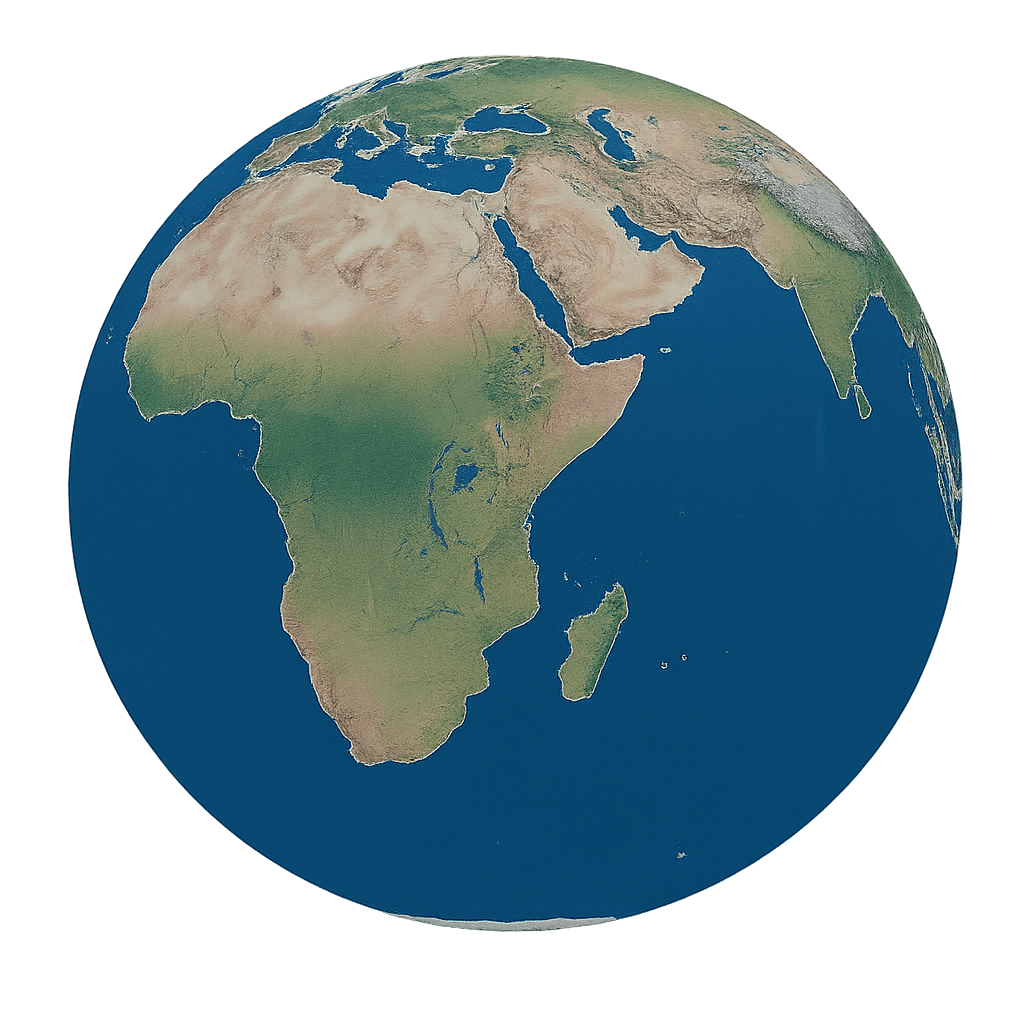
In the last 12 hours, the dominant thread across LATAM coverage is the unfolding hantavirus outbreak linked to the MV Hondius. Multiple reports describe the ship being marooned off Cape Verde with passengers and crew isolated, while the WHO confirms the outbreak strain as the Andes virus and expands international tracing efforts (including passengers who disembarked earlier at Saint Helena). Several people have died, and evacuations are underway (including patients being sent for treatment in Europe), while WHO and South African authorities repeatedly emphasize that the risk to the wider public is low. Alongside the epidemiology, coverage also highlights operational and political friction around where the ship should dock and who controls access for medical screening—particularly involving Spain/Canary Islands officials and the Canary Islands’ president.

Beyond health, the most visible regional items in the same window are trade and economic positioning and institutional/sector updates. A report says Canadian cattle producers want beef excluded from Canada’s proposed Mercosur free trade agreement, arguing that including beef access would increase dependence on imports and undermine food security. In the Caribbean, coverage includes Belize Bank expanding cloud-based e-commerce acquiring (payments modernization) and Jamaica’s World Bank/IICA AgriConnect initiative to connect rural smallholders to markets. There are also business/industry notes such as Diageo’s Q3 performance (with growth attributed to Europe, Africa, and Latin America despite weakness in the U.S.) and Chile’s wine sector adapting to falling demand and a low-alcohol trend.

In the broader 7-day window, the hantavirus story continues to build context: earlier reporting frames Argentina’s rising hantavirus burden and links it to climate-related ecological shifts, while additional pieces explain the virus, transmission routes, and why the Andes strain is notable for rare human-to-human spread. Other background items show continuity in regional priorities—such as ongoing attention to cruise tourism and disease risk (as the outbreak intersects with travel routes), and wider governance/economic themes (e.g., wealth concentration debates and political developments in the region). However, outside the outbreak, the evidence in the older articles is more scattered and less tightly corroborated than the hantavirus cluster.

Overall, the news cycle is being overwhelmingly shaped by the MV Hondius outbreak, with new WHO confirmations and evacuations driving most of the latest reporting. Other stories—Mercosur-related agriculture concerns, Caribbean payments modernization, and sector adjustments like Chile’s wine—appear secondary in volume and urgency, serving more as parallel “business and policy” updates than as major breaking developments.

Sign up for:

LATAM News Online

The daily local news briefing you can trust. Every day. Subscribe now.

By signing up, you agree to our Terms & Conditions.

Share us

on your social networks:

Sign up for:

LATAM News Online

The daily local news briefing you can trust. Every day. Subscribe now.

By signing up, you agree to our Terms & Conditions.